Automotive Breakfast Seminar: Key Takeaways
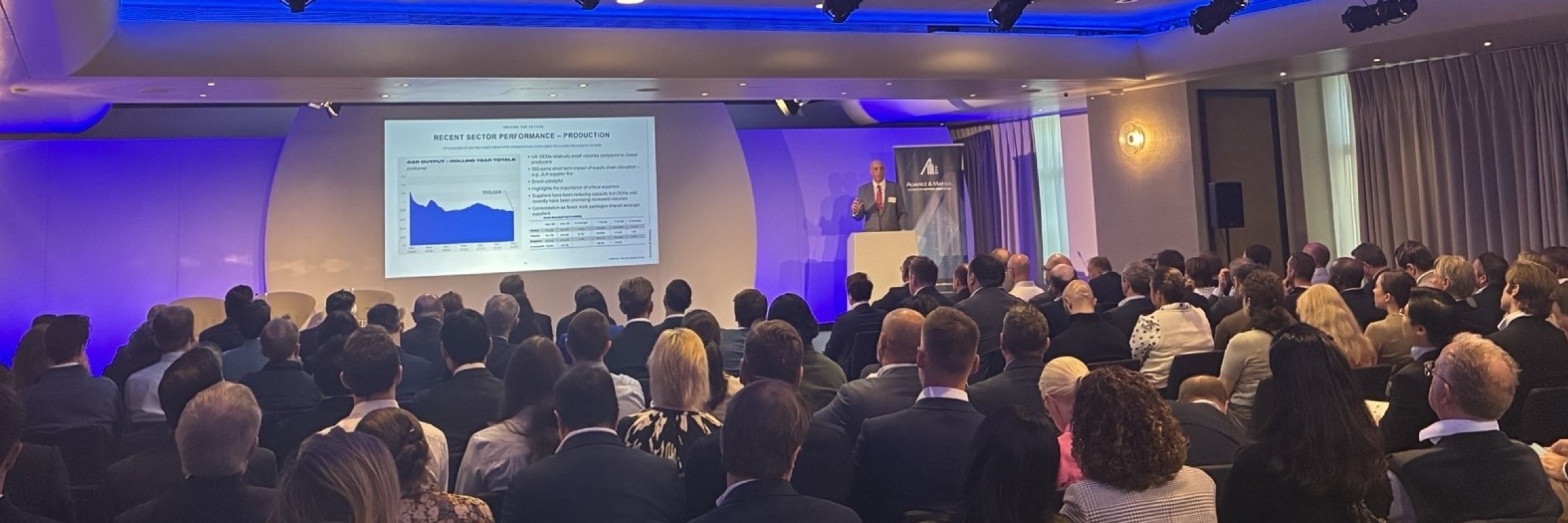
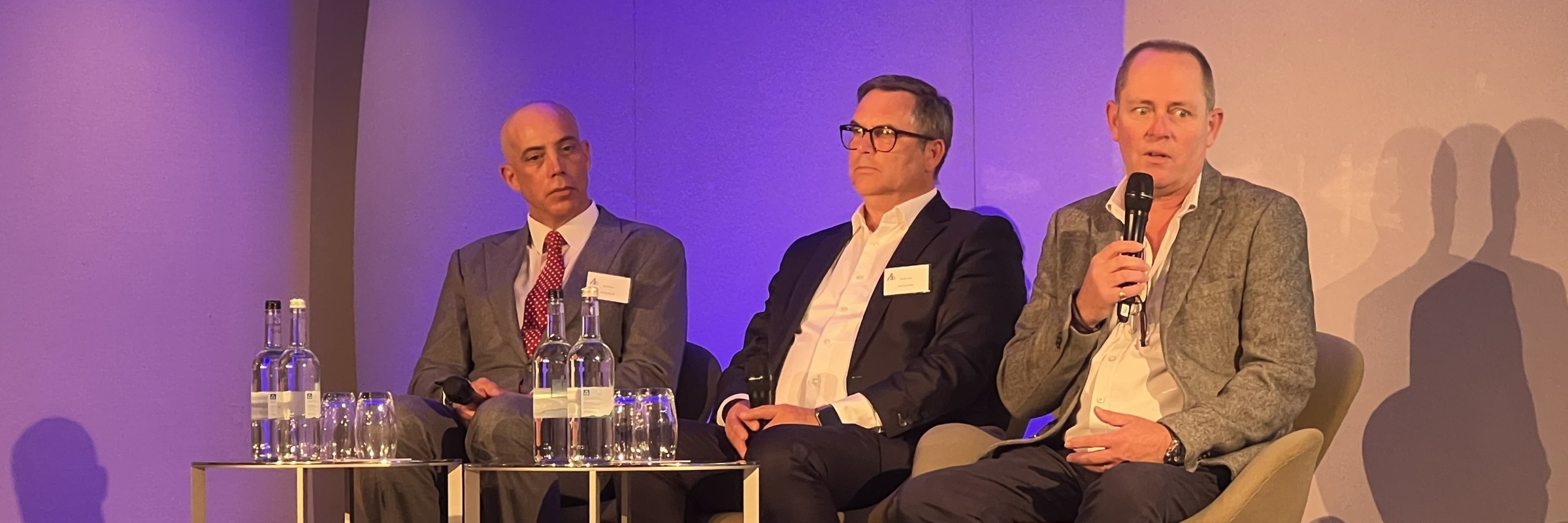
A&M's Restructuring team recently hosted an exclusive breakfast seminar on the automotive sector. The event gathered the lawyer, bank and fund community to discuss the disruptive forces hitting the industry – and how that’s driving stress and distress across European OEMs and suppliers in 2026.
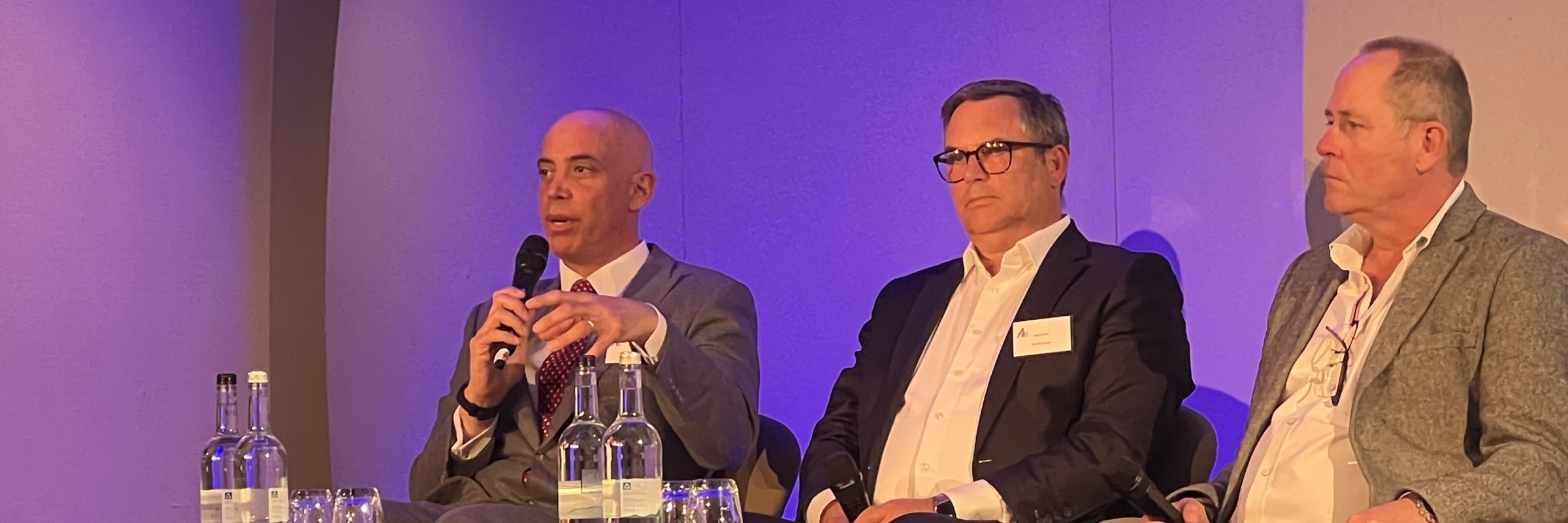
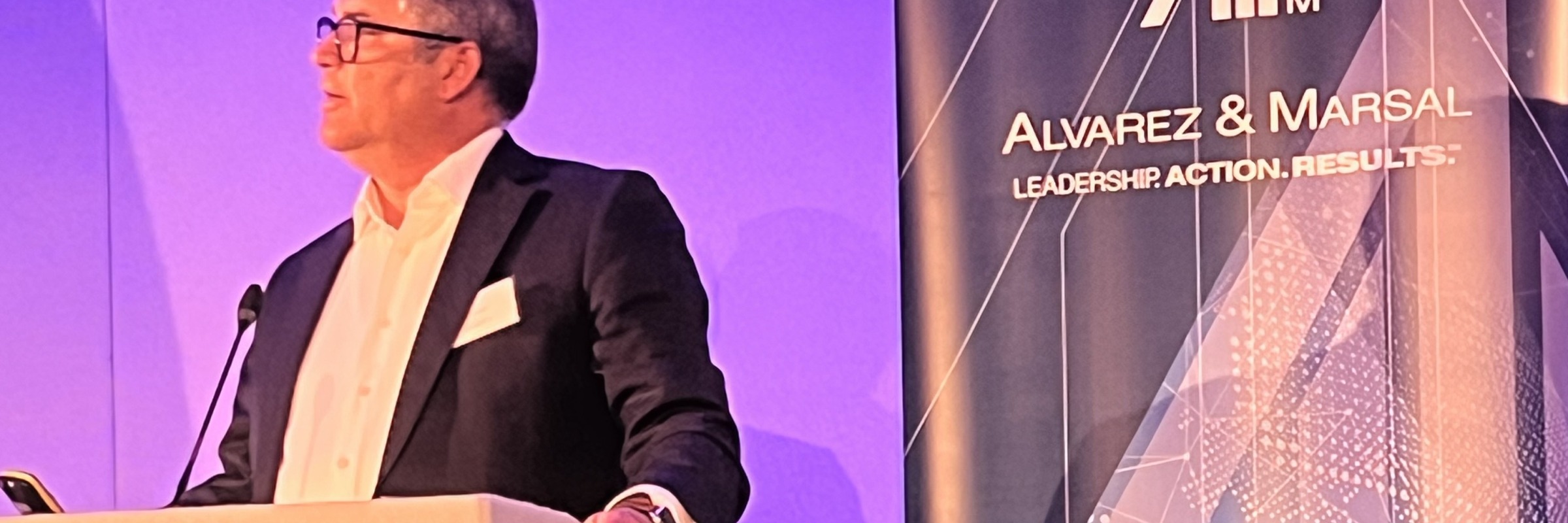
The session opened with a detailed market outlook from Richard Hell , European Head of Automotive at A&M, and insights from Rupert Pontin, Deputy Chairman of the Vehicle Remarketing Association, on used car trends and what they say about real consumer demand in the UK.
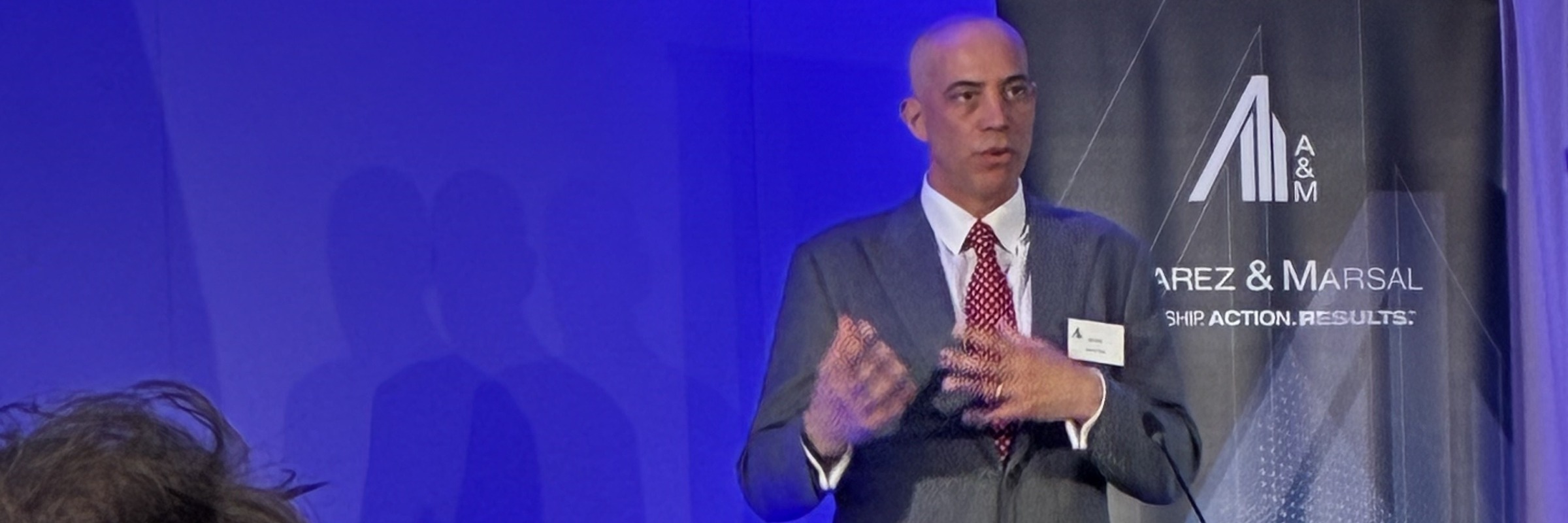
Omar Mirza, Managing Director in A&M’s Birmingham office, brought the frontline view of auto supply chain restructurings and the sensitive OEM-supplier dynamics at play in these situations.
Some of the takeaways from the discussion:
- Overcapacity reality: Price erosion from China’s surge in EV exports and supply chain disruption from the war in Iran are the latest headwinds hitting a sector struggling with overcapacity and declining demand. We estimate that 42% of European OEMs manufacturing capacity – equivalent to 14 assembly plants – are underutilised and at risk of closure, with severe consequences for the supplier base.
- The end of the EV-only strategy: The industry’s pivot to battery electric as the sole growth engine is being reassessed, with demand and volumes now fragmented across EVs, hybrids, ICEs and hydrogen fuel cells technologies. This has wide implications for OEMs economics, including budgeting processes and supplier organisations.
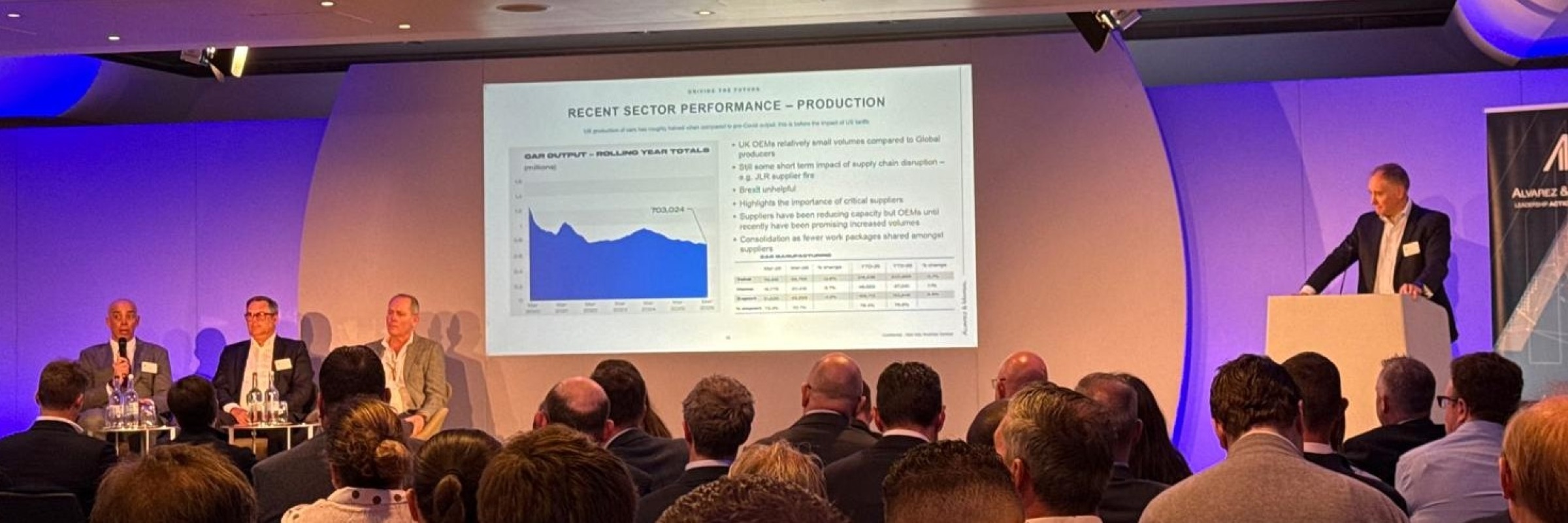
- Structural fractures in the supply base: UK vehicle production is running at nearly half pre-Covid levels, around 700,000 units a year. Suppliers who built capacity against volume guidance that never materialised have been absorbing losses ever since. Add short-notice scheduling changes and balance sheet overgearing, and you have a supply base under serious structural stress.
- OEMs take the wheel in supplier distress: Often the sole or ultimate end-customer for tier-1 and tier-2 suppliers, OEMs are increasingly being drawn into restructuring negotiations. For critical suppliers (sole suppliers for key platforms, owners of manufacturing IP etc.), OEMs have a strong incentive to come to the table constructively rather than face the cost and disruption of an administration.
If you would like to discuss these topics in more detail, or are interested in attending future events by A&M’s European Restructuring team, please get in touch / register using the form below.

Contact Us.