Insurance Industry Taxation Is Approaching an Inflection Point – Beyond Compliance Lies a Strategic Function
Three Leadership Perspectives
Tax in the traditional insurance industry is at an inflection point. While many tax functions remain heavily focused on compliance, a combination of increasing complexity, workforce constraints, and rapid advances in automation and AI is beginning to fundamentally reshape what is expected of the function.
As routine compliance activities become more automated, tax teams will be required to shift their focus toward higher-value, judgment-driven work, providing insight on capital efficiency, product design, and business transformation. This evolution is not theoretical; it is a near-term requirement for tax functions looking to remain relevant and effective.
Drawing on the perspectives of three leaders across Alvarez & Marsal’s insurance tax practice, several themes are emerging that will define how insurers need to operate in this next phase:
- Planning is moving upstream: The most impactful advice happens while facts are still developing, before products launch or transaction steps are locked.
- Judgment is the differentiator: Standardized answers rarely fit the most important insurance questions. Insurers need experienced professionals willing to make and support sound judgments.
- Execution must be efficient: Even the best plan breaks down if provision, compliance, and reporting processes are too manual or inconsistent.
Alvarez & Marsal Is Building a Global Insurance Tax Practice
Seeking to solve this deeply apparent need in the marketplace, A&M has expanded a dedicated global insurance tax practice designed to deliver high-value tax consulting, practical execution, and operational efficiency. The practice emphasizes sophisticated planning at the front end—where tax considerations can meaningfully influence business outcomes—before decisions are finalized and flexibility diminishes.
The practice is led by seasoned insurance tax professionals who combine deep technical judgment with an operator-oriented mindset.
- Paul H. Phillips III serves as Managing Director and the overall insurance tax practice leader. With more than three decades of experience advising traditional insurance organizations, Phillips is responsible for the continued build out and scaling of A&M’s global insurance tax practice. His focus is on high-level insurance tax consulting, working directly with complex, bespoke fact patterns and applying existing tax laws and regulations in a strategic manner to solve business challenges, manage risk, and create sustainable tax efficiency.
- Mikhail Raybshteyn is a Managing Director in A&M’s insurance tax practice and plays a key role in executing the firm’s insurance tax practice vision. Raybshteyn focuses on the practical application of tax law to real-world insurance fact patterns, supporting traditional insurers through tax planning, structuring, and technical analysis. He is also responsible for developing adjacent subsectors within the broader practice, including alternative risk and captive insurance, which also serve as a foundational training ground for developing the next generation of insurance tax professionals within the firm.
“If you’re leading tax at a traditional insurer, the question isn’t whether change is coming—it’s whether your tax model is built to keep pace.” – Mikhail Raybshteyn, Managing Director, A&M
- Shaun Alane Lockhart is a Managing Director and leads A&M’s Tax Performance Improvement Group. Shaun’s focus is helping insurance organizations improve the efficiency, reliability, and scalability of their tax functions through process improvement and the targeted use of technology. Her work enables insurers to operationalize tax planning decisions more effectively and reduce friction across provision, compliance, and reporting processes.
Addressing the Insurance Tax Consulting Gap
Based on A&M’s experience, the most underserved area within the traditional insurance tax market is judgment-driven tax consulting. Many insurers are navigating increasingly complex and highly unique situations—such as restructurings, internal transactions, and new product features—that do not lend themselves to standardized solutions.
“Effective insurance tax professionals need the ability to analyze highly complex situations, advise clients while the facts are still developing, have the professional courage to make judgment-based decisions, and offer clear opinions.” – Paul H. Phillips III, Managing Director, A&M
Several market forces have contributed to this gap. The retirement of deeply experienced insurance tax professionals has reduced available advisory capacity. Structural and independence constraints at public accounting firms often limit the ability to serve all clients in a fully collaborative manner. At the same time, widespread adoption of tax technology has shifted focus toward downstream compliance efficiency rather than upstream tax planning and design.
A&M’s insurance tax practice is intentionally designed to address this imbalance. The firm emphasizes sophisticated planning early in the process before flexibility diminishes.
From Strategy to Sustainable Execution
While high-level planning is critical, execution remains equally important. Even well-designed tax strategies can break down if tax operating models are fragmented or overly manual. Insurers frequently struggle with disconnected systems, inconsistent data flows, and inefficiencies that increase risk during audits or periods of business change.
“Technology doesn’t replace tax judgment, but it can dramatically improve efficiency once the right decisions are made by reducing manual work, tightening controls, and creating cleaner audit trails.” – Shaun Alane Lockhart, Managing Director, A&M
Through its tax technology and performance improvement capabilities, A&M helps insurers translate planning decisions into repeatable, defensible processes. The objective is not technology for its own sake, but efficiency gains that support faster closes, cleaner audit trails, and better coordination between tax, finance, and actuarial functions.
Looking Ahead
As the traditional insurance industry continues to evolve, tax functions will increasingly be expected to operate as strategic business partners. Organizations that invest in thoughtful tax consulting, supported by practical execution and efficient operating models, will be better positioned to manage complexity and respond to change.
Through its insurance tax capabilities around the globe, Alvarez & Marsal is focused on delivering precisely that combination—deep technical judgment, hands-on execution, and process-driven efficiency—to help insurers navigate today’s environment with confidence.
How Can A&M Help?
As insurance tax functions approach an inflection point, organizations will need to rethink how they balance compliance, planning, and execution. Alvarez & Marsal works with insurers to navigate this shift—bringing together deep technical judgment, hands-on execution, and process-driven efficiency to help tax functions operate as true business partners.
Meet the insurance tax leaders shaping our vision:
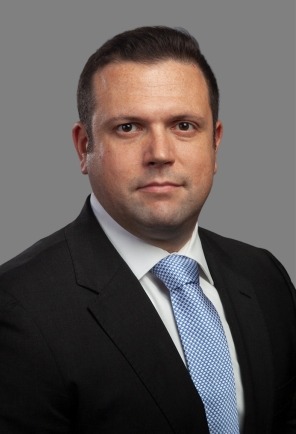
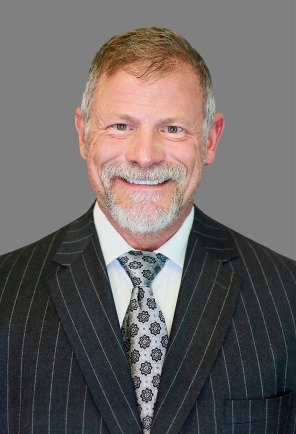
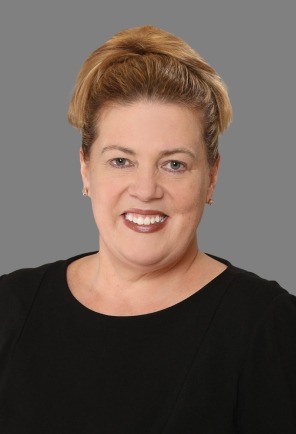
Paul H. Phillips III, Managing Director
Mikhail Raybshteyn, Managing Director
Shaun Alane Lockhart, Managing Director