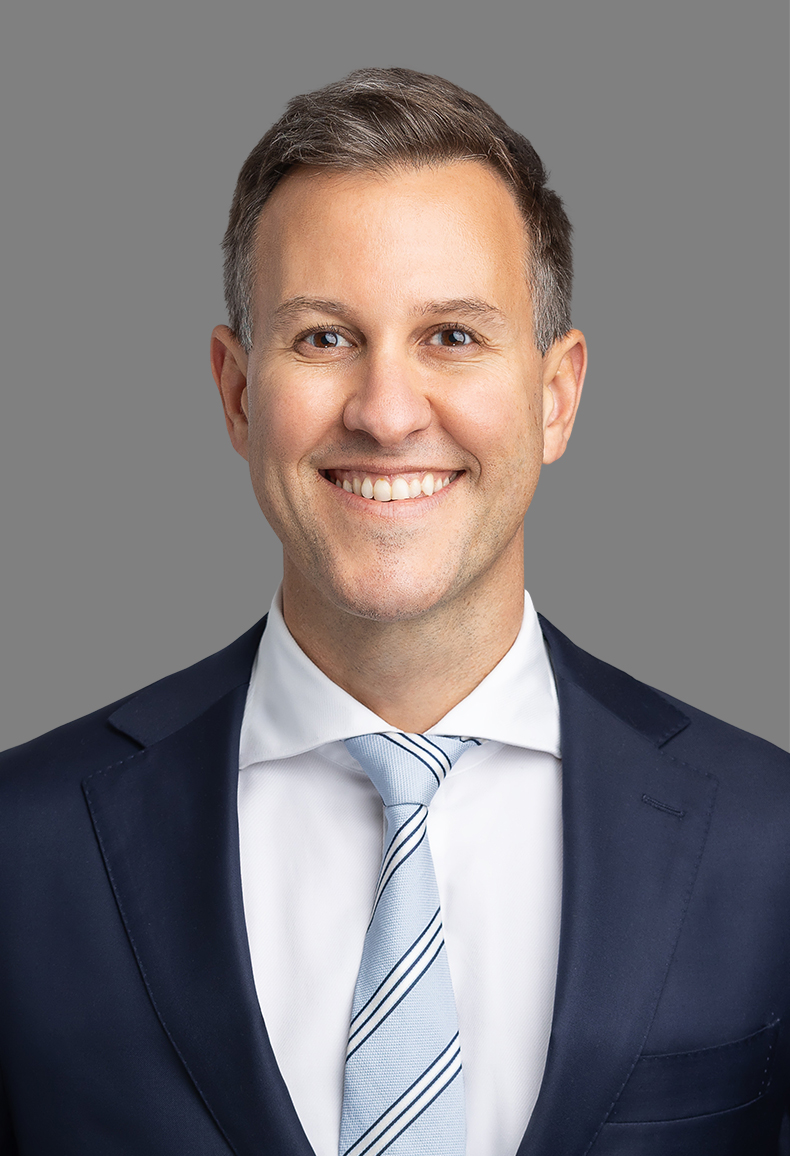
Nathan Hamilton

Managing Director
17 +years of experience assisting public corporations, private businesses and government
Specializes in indirect tax (GST) and employment taxes
Focuses on property and infrastructure, energy and resources, and government
Sydney
@alvarezmarsal
LinkedIn
Copied!
Nathan Hamilton is a Managing Director with Alvarez & Marsal Tax in Sydney and Brisbane. He specializes in indirect tax (GST) and employment taxes.

Mr. Hamilton brings more than 17 years of experience assisting public corporations, private businesses and government entities to manage all aspects of their GST and employment tax obligations. He has advised clients across all industries, with a particular focus on property and infrastructure, energy and resources, and government. 

Mr. Hamilton’s recent engagements include a wage and superannuation remediation project for a large multinational organization, supporting a client and manage material tax exposure in respect of contractors ahead of M&A activity, and deploying technology to automate a client’s GST and payroll tax compliance processes. 

Prior to joining A&M, Mr. Hamilton was a Tax Partner with KPMG. 

Mr. Hamilton earned bachelor’s degrees in law and commerce from Griffith University. He is a Chartered Tax Advisor and a Solicitor of the Supreme Court of Queensland. 

Insights By This Professional

With the FBT year-end (31 March 2026) now passed, organisations should continue to focus on meeting ongoing compliance and reporting requirements.
With less than four months until Payday Super begins on 1 July 2026, the focus has shifted to implementation.
The Treasury Laws Amendment (Payday Superannuation) Bill 2025 and the Superannuation Guarantee Charge Amendment Bill 2025 (collectively hereafter referred to as “the Bills”) received Royal Assent on November 6, 2025.
Australia’s shift to Payday Super on 1 July 2026 marks a major change to how employers manage superannuation.
Latest insights The latest insights from Nathan Hamilton's team
Thought Leadership
Section 301 is reshaping APAC trade. Explore risks from excess capacity probes and forced labor enforcement, plus tariff scenarios and mitigation steps.