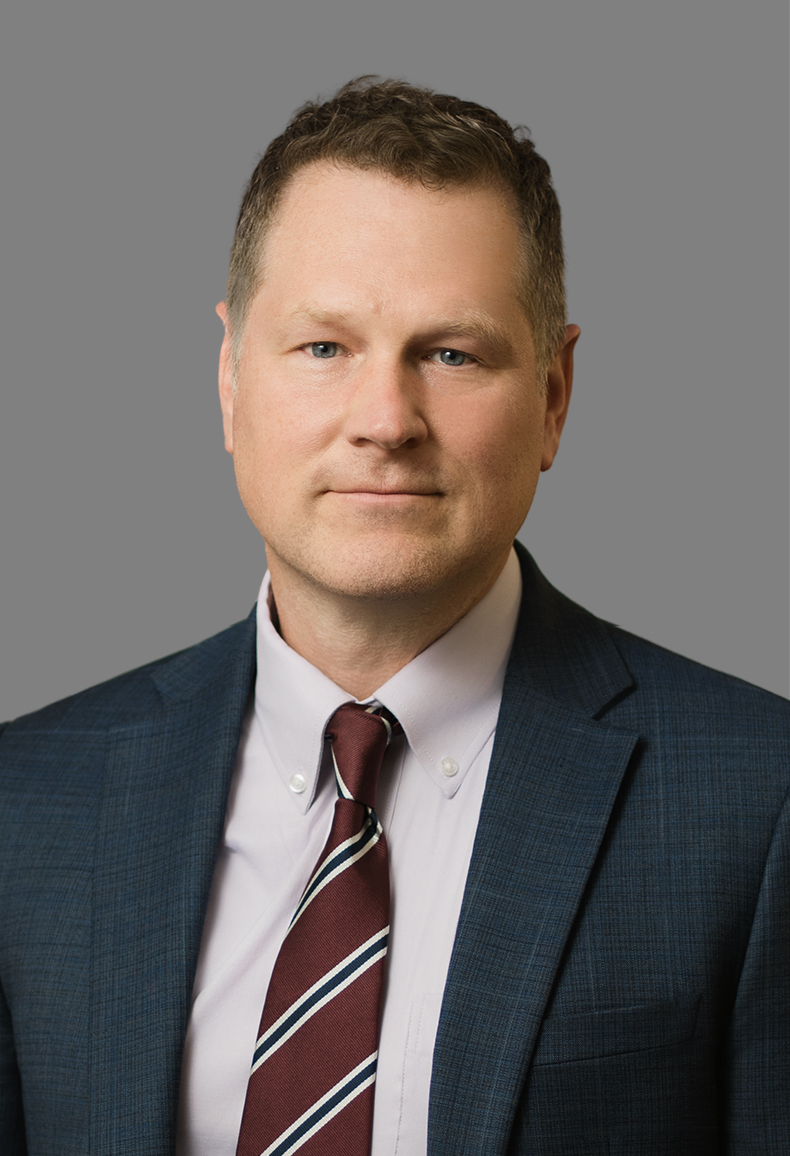
20+ years of experience in customs and trade, with extensive experience as a government and private practitioner
Advises clients across a range of sectors, including apparel, automotive, and agricultural
New York
@alvarezmarsal
Copied!
Jason Kenner is a Managing Director with Alvarez & Marsal Tax in New York. He works in A&M’s Global Trade and Customs practice. With nearly 20 years of experience related to customs and trade, both as a government and private practitioner, Mr. Kenner has worked with clients across a range of industries, including apparel, automotive, and agricultural.
During his lengthy career, Mr. Kenner has advised clients on a wide range of customs and trade matters, including tariff classification, country of origin, valuation, compliance, and customs-related disputes and penalties.
Prior to joining A&M, Mr. Kenner served as Head of Litigation at Sandler, Travis & Rosenberg P.A., a boutique customs and trade law firm located in New York. Before that, Mr. Kenner spent nearly 15 years at the US Department of Justice’s International Trade Field Office, where he represented US Customs and Border Protection as Lead Counsel on dozens of cases before the Court of International Trade and the Court of Appeals for the Federal Circuit. Mr. Kenner also worked extensively with the Trade Fraud Task Force.
Mr. Kenner earned a bachelor’s degree in public justice from the State University of New York at Oswego and a JD from St. John's University School of Law. Mr. Kenner is a member of the Board of the Customs and International Trade Bar Association (CITBA).
A three-judge panel of the U.S. Court of International Trade held that IEEPA authorizes the President to suspend the Section 321 de minimis privilege worldwide — even though, under Learning Resources, IEEPA does not authorize the President to impose tariffs.
On August 3, 2026, the Department of Homeland Security, as Chair of the Forced Labor Enforcement Task Force (FLETF), published an updated UFLPA Entity List adding 43 new entities (two of which appear on two separate sub-lists) and making technical corrections to two existing entries. The consolidated list now stands at 187 entities. Goods mined, produced, or manufactured, wholly or in part, by a listed entity are subject to the UFLPA's rebuttable presumption of forced labor and are prohibited from entry under 19 U.S.C. § 1307, effective immediately upon listing.
Effective July 31, 2026, the additional Section 232 tariff on patented pharmaceuticals that are products of the United Kingdom was reduced from 10% to zero (heading 9903.04.63), implementing the U.S.–UK Pharmaceutical Pricing Arrangement. Because UK patented pharmaceuticals remain subject to Section 232 (at a 0% rate), they also fall within the Section 232 carve-out from the new Section 301 forced labor tariffs — so qualifying UK patented product should face no additional duty under either regime.