Medical Management Is Broken Getting AI Right Will Decide Which Plans Survive
AI‑Enabled Medical Management Under Pressure
AI‑enabled medical management is not a technology program, it is a cost structure reset.
Plans that redesign medical management around AI will hard‑wire lower MLR, better Stars, and stronger provider alignment into their operating model. Those that move slowly will not be “a little behind on AI”; they’ll be structurally uncompetitive.
Medical management, not network contracting or pricing, will determine which health plans outperform over the next decade. Utilization management (UM), care management (CM), quality programs, risk adjustment, payment integrity, and provider and member engagement now determine how effectively plans manage medical cost trend, clinical outcomes, regulatory risk, and experience.
Most medical management functions still run on pre AI, pre API processes: manual reviews, fax driven workflows, and fragmented systems that drive up administrative cost and delay clinical decisions. Many organizations have dabbled with tools like ChatGPT or Gemini, but real value comes not with experiments, but only when AI is embedded into end to end workflows. When governed well, AI can compress decision cycles from days to hours, augment clinical expertise, and materially improve outcomes, experience, and financial performance.
This paper lays out:
- Why medical management is becoming the strategic engine of the health plan.
- The size of the AI‑enabled value at stake in cost, quality, and experience.
- The structural and regulatory forces that make status quo models untenable.
- Why most AI efforts in medical management will fail—and how to avoid those traps.
- The highest‑value AI use cases across UM, CM, quality, risk, payment integrity, and engagement.
- A practical, three‑stage roadmap for leaders ready to modernize clinical operations over the next three years.
Learn more about how AI is changing the future of medical management.
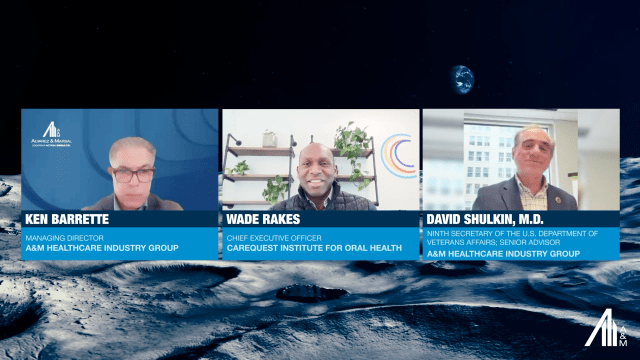
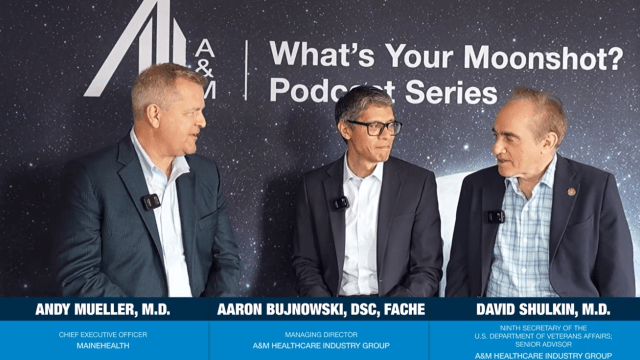
Healthcare is approaching an AI inflection point, and health plans are at the center of it. Watch our webinar discussing where AI delivers the greatest return, how to move from pilot to scale and what it takes to translate innovation into operational and financial impact.