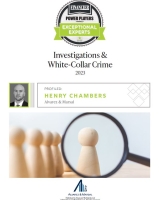
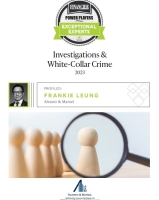
Alvarez & Marsal’s Henry Chambers and Frankie Leung have been recognized in the Financier Worldwide Magazine Power Player series of Exceptional Experts - Investigations & White-Collar Crime 2023. They have shared their stories in interviews along with other distinguished leaders in their field.
"At A&M, and in our Disputes and Investigations practice, I strive to empower our staff to make decisions and be leaders of the future. I encourage accountability in everything we do, which ultimately benefits our clients as well as the team,” Chambers said.
"Often, our clients find themselves in difficult crisis-type situations such as regulatory or internal whistleblower investigation, so it is crucial that we demonstrate our forensic skill sets and experiences to assist them in resolving the crisis," Leung said.
Preventing Financial Blind Spots: The Role of Forensic Accountants in Early Dispute Resolution
March 16, 2026
The right dispute strategy often begins with understanding what the financial evidence can actually support. Senior Director Kelvin Cheong explores how early forensic insight can help parties preserve evidence, assess financial viability, and approach negotiations, arbitration, or litigation with greater clarity and confidence.
Alvarez & Marsal with Transparency International’s CEO Clancy Moore
April 9, 2026
In our latest episode of Conversation with Podcast, Senior Director Michelle Jones is joined by Clancy Moore, CEO of Transparency International Australia.
AI Technology Export Enforcement: 5 Signals Companies Cannot Afford to Miss
April 7, 2026
AI export enforcement is accelerating, bringing tougher penalties, expanding liability, and increased oversight. This article outlines five recent enforcement signals that should prompt an immediate compliance review.
The White House’s AI Legislative Framework and the Unsettled Future of State AI Laws
April 3, 2026
This article examines the Trump administration’s March 20, 2026, “National Policy Framework for Artificial Intelligence Legislative Recommendations” and the central governance question it raises: Will Congress create a national AI standard that displaces portions of the current state-law patchwork?