Over the past decade, the U.S. health insurance landscape has experienced a surge in alternative coverage models that operate outside of traditional ACA-compliant insurance. Short-Term Duration Health Plans (STPs), Health Care Sharing Ministries (HCSMs), and Individual Coverage Health Reimbursement Arrangements (ICHRAs) have all grown in prominence, offering new pathways to coverage for consumers and employers alike. While each model serves different needs, they share the common feature of being exempt, wholly or partially from ACA standards.
With the Trump administration back in office, the policy and regulatory environment surrounding these models has already shifted. Early executive actions and agency guidance suggest a renewed emphasis on deregulation and consumer-directed health models. These developments coincide with the scheduled expiration of enhanced ACA subsidies and potential reductions in federal Medicaid and Medicare funding - factors likely to accelerate the migration of individuals and employers toward these alternative options.
This paper explores the regulatory foundations, market trends, and implications for consumers and insurers, and outlines why understanding their structure, use cases, and policy exposure is essential for market participants and policymakers alike.
Read full article
Reimagining Health Benefits: How Employers Can Drive Change in Healthcare
June 23, 2026
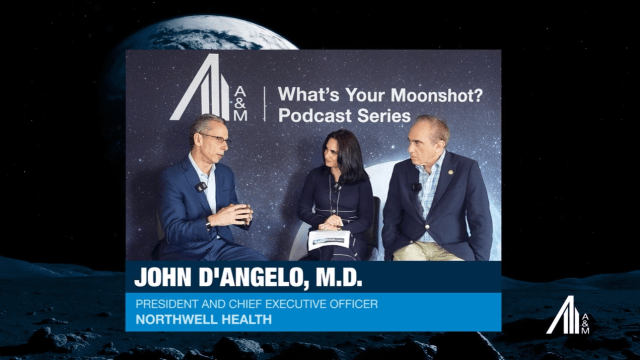
John D'Angelo, M.D. , President and CEO of Northwell Health joins A&M Healthcare Industry Group's Jamie LaGuardia-Frie and David Shulkin, M.D. to explore how health systems can move beyond fragmented care delivery to create a model where patients feel supported across every step of their journey.
Northwell Health is Looking Beyond Transactions to Reimagine the Healthcare Experience
June 9, 2026
John D'Angelo, M.D. , President and CEO of Northwell Health joins A&M Healthcare Industry Group's Jamie LaGuardia-Frie and David Shulkin, M.D. to explore how health systems can move beyond fragmented care delivery to create a model where patients feel supported across every step of their journey.
Leapfrogging Your Health System’s Enterprise Shared Services (ESS) Organization to Accelerate Value
May 7, 2026
Redesign admin work with an ESS to standardize, govern, and deliver at scale: Cut costs, boost productivity, and strengthen long-term business viability.
The Next Growth Curve: How Biopharma Can Win in Developing Markets
April 20, 2026
Developed markets are facing structural headwinds, such as affordability constraints, pricing reform, as demographic saturation and slower volume growth are limiting expansion and resulting a moderating growth rate. In contrast, emerging markets are entering a phase of healthcare formalization and access expansion driven by rising chronic disease burden and government prioritization of pharmaceuticals