
Fernando De La Mora
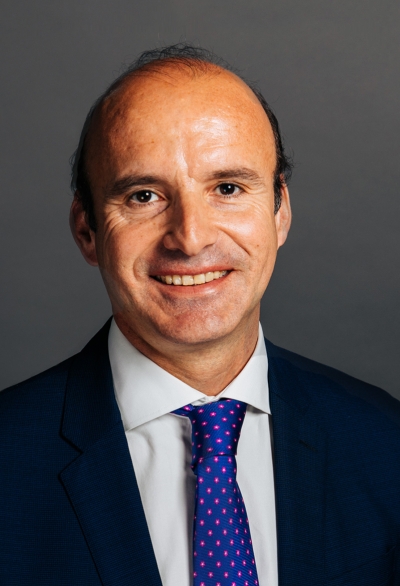
Mr. de la Mora brings more than 20 years of experience conducting a wide variety of risk, capital, strategic planning and M&A advisory projects. His clients include global financial services firms, investment bank, regional banks, insurance companies, asset managers and hedge funds.
Before A&M, Mr. de la Mora was a partner at PwC in New York where he led a practice of more than 350 professionals providing consulting services in risk management and regulatory advice. His areas of expertise included capital, stress testing and Basel III; and enterprise risk management; credit, market, operational and liquidity risk management practices.
Previously, Mr. de la Mora Fernando helped implement U.S. CCAR stress test guidelines to 13 of the 19 banks involved in the capital planning process led by the Federal Reserve. He also advised foreign banks and other regional banks in their capital management efforts. Clients include: Bank of America, BBVA, BNY Mellon, Citi, Deutsche Bank, GE Capital, Goldman Sachs, HSBC, JPMorgan Chase, Morgan Stanley, RBC, RBS, Santander, State Street, TD, Suntrust and Wells Fargo.
In the area of risk management, Mr. de la Mora has served as an adviser to the boards of several major banks and insurance companies to strengthen risk governance and enterprise risk management practices in the context of lessons learned from the credit crisis.
Mr. de la Mora has spoken at industry conferences on Basel III, capital management, stress testing, and finance and risk integration. He has also published articles, authored book chapters on risk management, and has been featured on Bloomberg TV, CNN, WSJ, in Risk Magazine and The New York Times.
He started as an associate with Banco Santander conducting research for Latin American capital markets and working with trading and corporate banking units in London.
Mr. de la Mora earned a bachelor’s degree in business and economics from CUNEF in Madrid. He also earned an MBA from the University of Michigan and a master’s degree in e-business from Instituto de Empresa. He also holds a certification in strategic planning from INSEAD.
