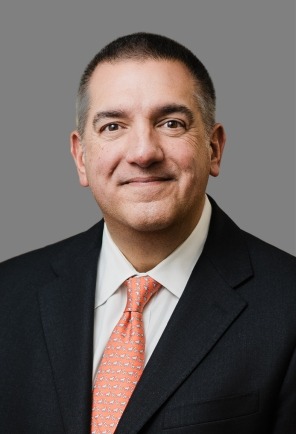
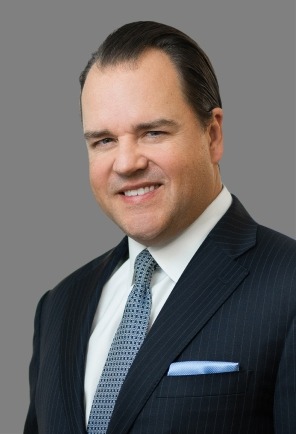
Paul Aversano, Managing Director and Global Practice Leader of Alvarez & Marsal’s Global Transaction Advisory Group, and Preston Parker, Managing Director and U.S. Practice Leader of Alvarez & Marsal’s Corporate Transactions Group, meet with Michael Toglia, Publisher of ABL Advisor, to discuss the current state of the global Mergers & Acquisitions (M&A) environment. In this video interview, Aversano provides an in-depth analysis of the private equity market, while Parker offers insights into the corporate M&A landscape. Over the past two years, both markets have faced significant challenges including among many factors, rising interest rates and global geopolitical risks. Despite these obstacles, the market is showing signs of recovery, with a positive outlook ahead. Aversano and Parker also highlight specific issues in each market and identify sectors/industries where they foresee opportunities for growth.
This article was originally published by ABL Advisor.
To learn more about ABL Advisor, please click here.
With the potential for high returns and reduced cost of care, private equity (PE) funds have shown a persistent interest in the value-based care (VBC) sector.
In this episode of Conversations with Anthony, Alvarez & Marsal Managing Director and U.S. Practice Co-Leader of Global TAG Anthony Caporrino sits down with Bobby Stover, inaugural Executive Director of the Family Office Initiative at the University of Chicago Booth School of Business, to discuss what family offices are getting right and wrong today.
There’s a new value creation imperative for private equity (PE) firms and corporates seeking to roll up financial technology (FinTech) and data platform acquisitions, especially in the extended higher interest rate environment. Many of the traditional value enhancement strategies still matter, but operational platforming—integrating tech, data, and systems—can be a defining competitive advantage in roll-ups.
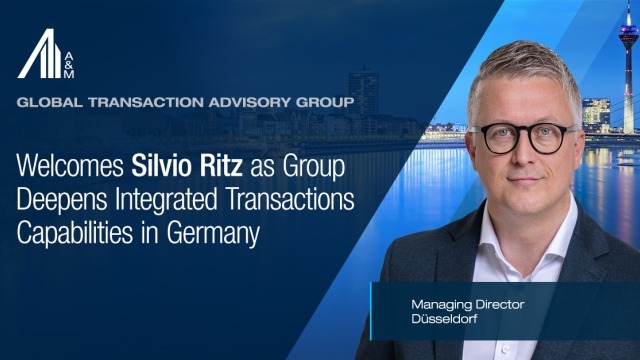
Alvarez & Marsal (A&M), a leading global professional services firm, today announced the appointment of Silvio Ritz as a Managing Director within its Global Transaction Advisory Group (Global TAG).