The Dual Mandate: AI for IA & IA for AI
As artificial intelligence becomes increasingly embedded in business decision-making, Internal Audit is evolving beyond its traditional role. Today's assurance leaders are expected to not only leverage AI to make assurance more efficient and insightful but also provide independent confidence that enterprise AI is governed, secure, compliant, and responsible.
To explore this evolving mandate, Alvarez & Marsal hosted The Dual Mandate: AI for IA & IA for AI, bringing together senior Internal Audit leaders for an evening of practical discussion on how organizations are navigating AI adoption while strengthening governance and assurance.
The evening commenced with A&M Managing Director Chandra Prakash Suryawanshi, who set the context for the discussion by outlining Internal Audit's dual responsibility: using AI to modernize assurance while assuring the responsible use of AI across the enterprise.
The widening gap between business risk and assurance capacity is redefining the role of Internal Audit. AI enables assurance teams to spend less time testing controls and gathering evidence and more time exercising judgement.
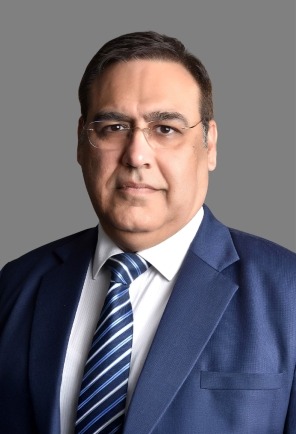
Chandra Prakash Suryawanshi
Managing Director and India Global Cyber Risk Services Practice Leader, Alvarez & Marsal
He highlighted how expanding regulatory expectations, rapidly evolving technologies, and increasing business reliance on AI are fundamentally reshaping the role of assurance functions.
This was followed by an engaging fireside conversation between Dhruv Phophalia, Managing Director and India Disputes and Investigations Practice Leader at Alvarez & Marsal, and Vishal Arora, Chief Audit Executive and Head Global Assurance at ArcelorMittal.
Based in Luxembourg, Mr. Arora leads the Global Assurance function, overseeing second- and third-line mandates, including Internal Audit, Fraud Investigations, Risk Management, Safety & Security Assurance, and related assurance activities. With over 25 years of experience in governance, risk, and assurance, he shared practical lessons from during a candid conversation with Mr. Phophalia.
Successful AI adoption isn't about deploying more tools, it's about putting the right governance, guardrails, accountability, monitoring, and training in place to ensure AI is used responsibly and effectively.
Vishal Arora
Chief Audit Executive, ArcelorMittal
Rather than pursuing rapid experimentation, Mr. Arora described a deliberate, governance-first approach; starting with clear guardrails, structured learning, internal hackathons, and organization-wide capability building before scaling AI across the assurance function. Throughout the discussion, both the speakers reinforced that while AI has significantly improved efficiency in planning, analytics, reporting, and investigations, professional skepticism and auditor judgment remain irreplaceable.
The future of assurance isn't about choosing between AI and human expertise. It's about combining both to strengthen governance, improve decision-making, and build trust.
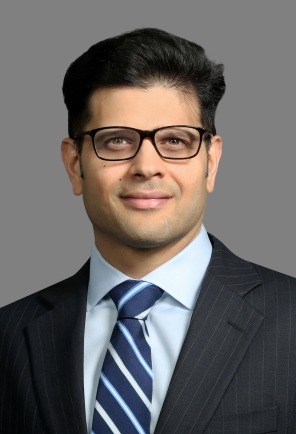
Dhruv Phophalia
Managing Director and India Disputes and Investigations Practice Leader, Alvarez & Marsal
The conversation extended into an interactive discussion with attendees, who openly exchanged perspectives on balancing innovation with governance. Leaders explored topics including AI governance models, data privacy, prompt libraries, productivity measurement, decentralized AI deployment, regulatory compliance, and the practical realities of implementing AI across global organizations. Several participants also shared how they are experimenting with emerging AI tools while carefully evaluating associated risks, security considerations, and long-term governance requirements.
A recurring theme throughout the evening was that successful AI adoption is not determined by how quickly organizations deploy new technologies, but by how thoughtfully they build the supporting foundations.
We have to approach AI with cautious optimism, not rushed optimism.
Vishal Arora
Chief Audit Executive, ArcelorMittal
Participants agreed that trusted data, strong governance, continuous learning, and human oversight remain essential for realizing AI's full potential within Internal Audit. As AI continues to evolve at an unprecedented pace, the discussion reinforced that organizations embracing a measured, governance-led approach will be best positioned to transform assurance while maintaining stakeholder trust.